Pediatric
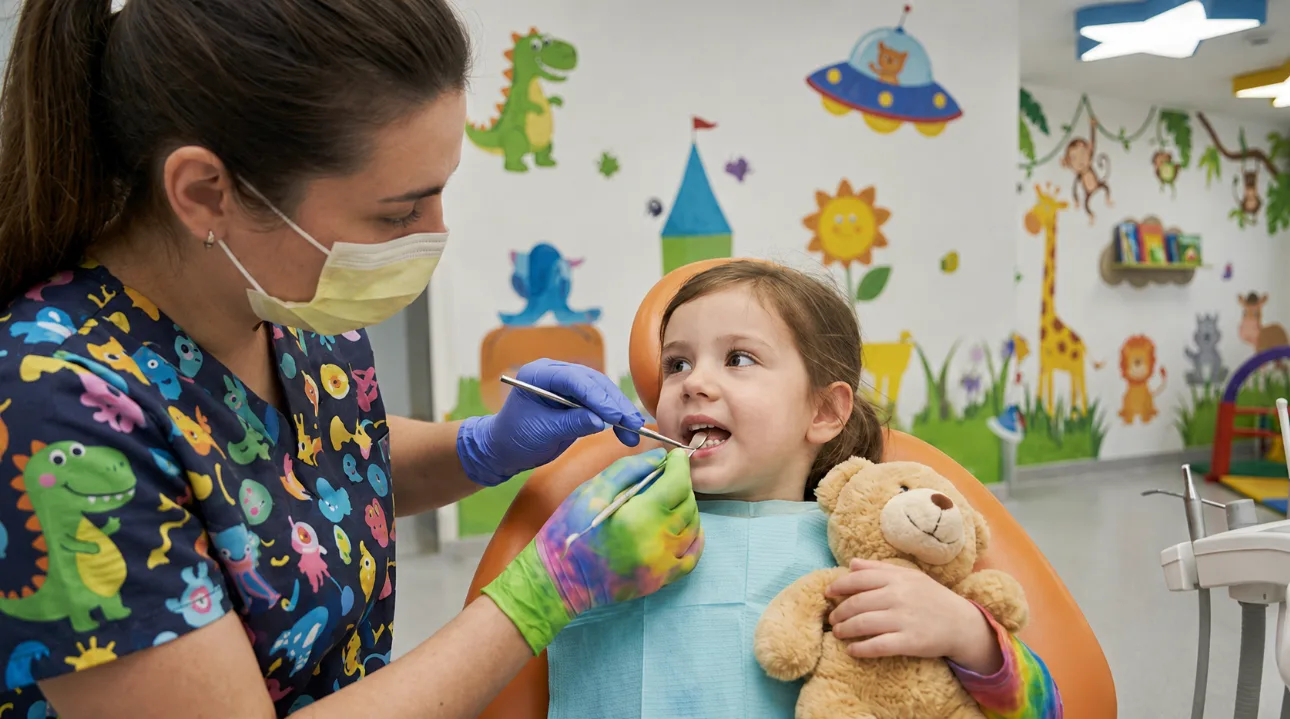
Pediatric Dentistry
Preventive and restorative care adapted to growing smiles.
Explore treatment →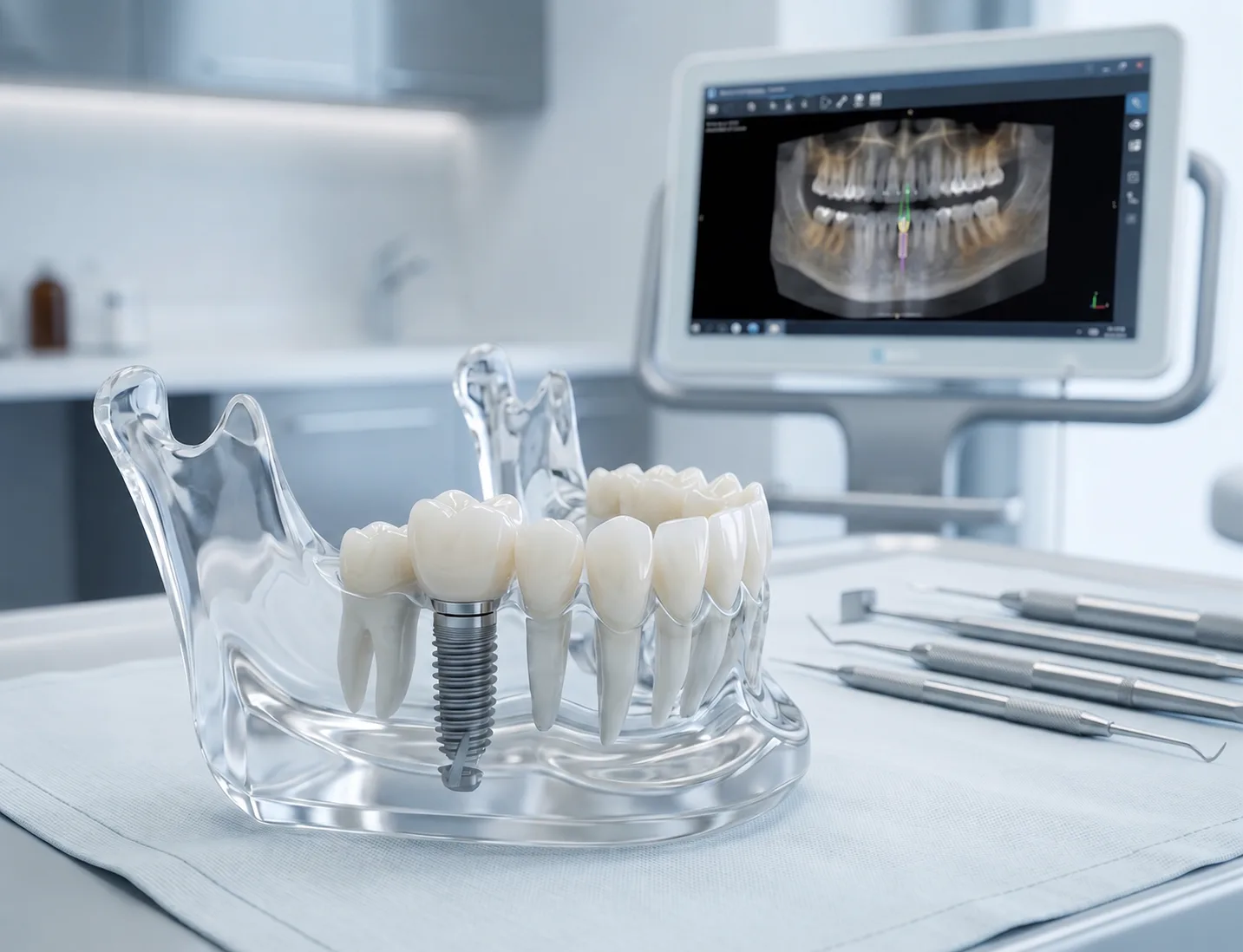
Dental implants may support a crown, bridge, or removable prosthesis. Suitability requires evaluation of health, bone, and individual risk factors.
We listen to your concerns and review your dental and medical history.
Clinical examination and appropriate imaging inform your personalized options.
Care proceeds only after the plan, alternatives, and consent are discussed.
We review healing, maintenance, and any recommended continuing care.
Placing the implant into the jawbone takes about 15-30 minutes in most cases. However, the implant generally needs a healing period of two to three months to fuse with the bone. After this period, the permanent tooth is made on top of the implant.
Dental implants are usually made of tissue-friendly titanium. Implant failure doesn't happen in the classic sense of organ rejection. Causes of failure can include insufficient bone structure, infection, uncontrolled systemic diseases, inadequate oral hygiene, and heavy smoking.
If your diabetes is controlled with medication and your blood sugar levels are within an appropriate range, implant treatment can be performed. Before treatment, your HbA1c level and general health are assessed to create a personalized plan.
Osteoporosis alone is not an absolute barrier to implant treatment. The height and width of your jawbone are assessed using three-dimensional imaging methods. When bone volume is insufficient, a suitable site for the implant can be created using bone grafts, or materials popularly known as "bone powder."
No. If the condition of your jawbone and your general health allow, you can benefit from implant-supported fixed or removable denture options even if you have no teeth left at all.
Which treatment is suitable depends on your bone condition, the health of neighboring teeth, the number of missing teeth, and your general health. Implant treatment doesn't require reducing healthy neighboring teeth, whereas a bridge requires support from the teeth on either side of the gap.
Pediatric
Preventive and restorative care adapted to growing smiles.
Explore treatment →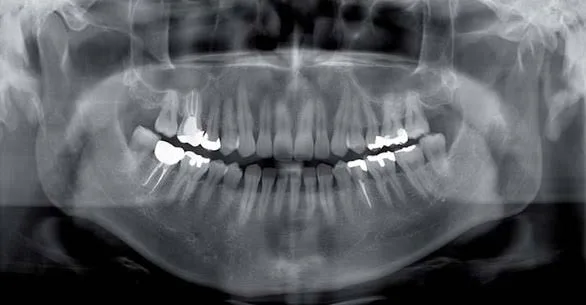
Diagnostics
Accurate diagnosis and treatment planning.
Explore treatment →