Pediatric
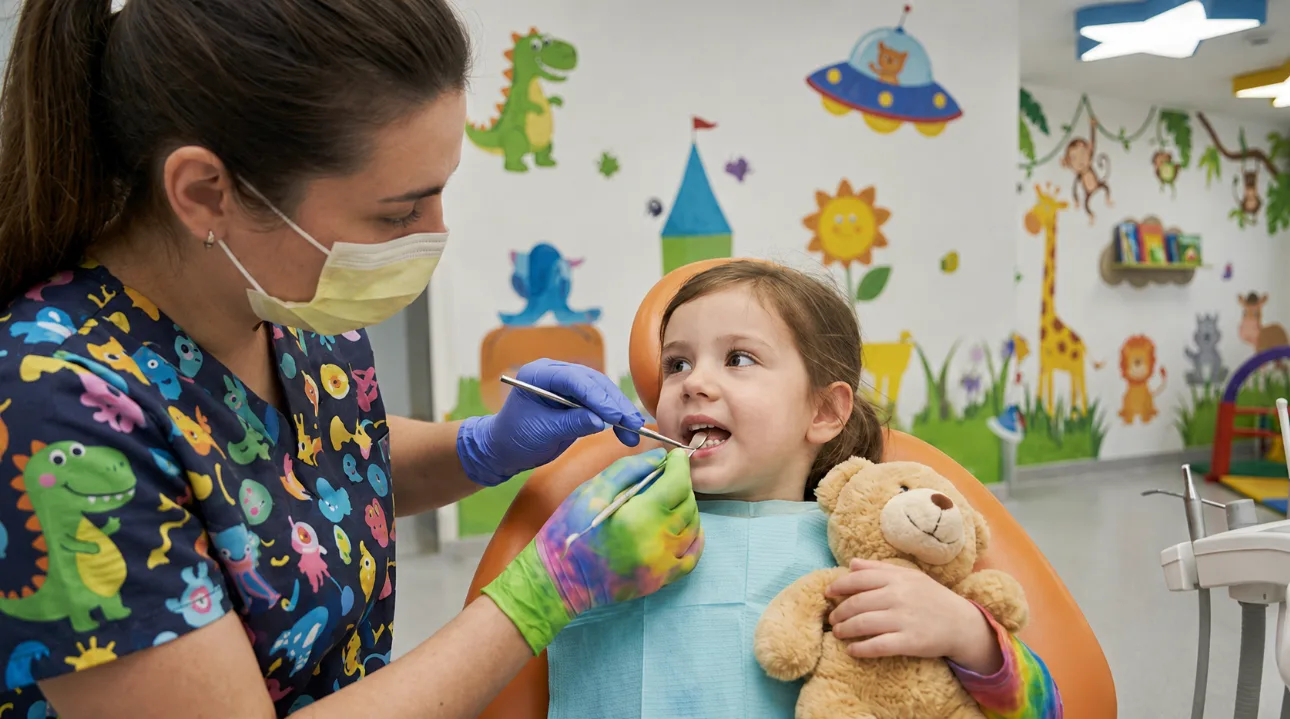
Pediatric Dentistry
Preventive and restorative care adapted to growing smiles.
Explore treatment →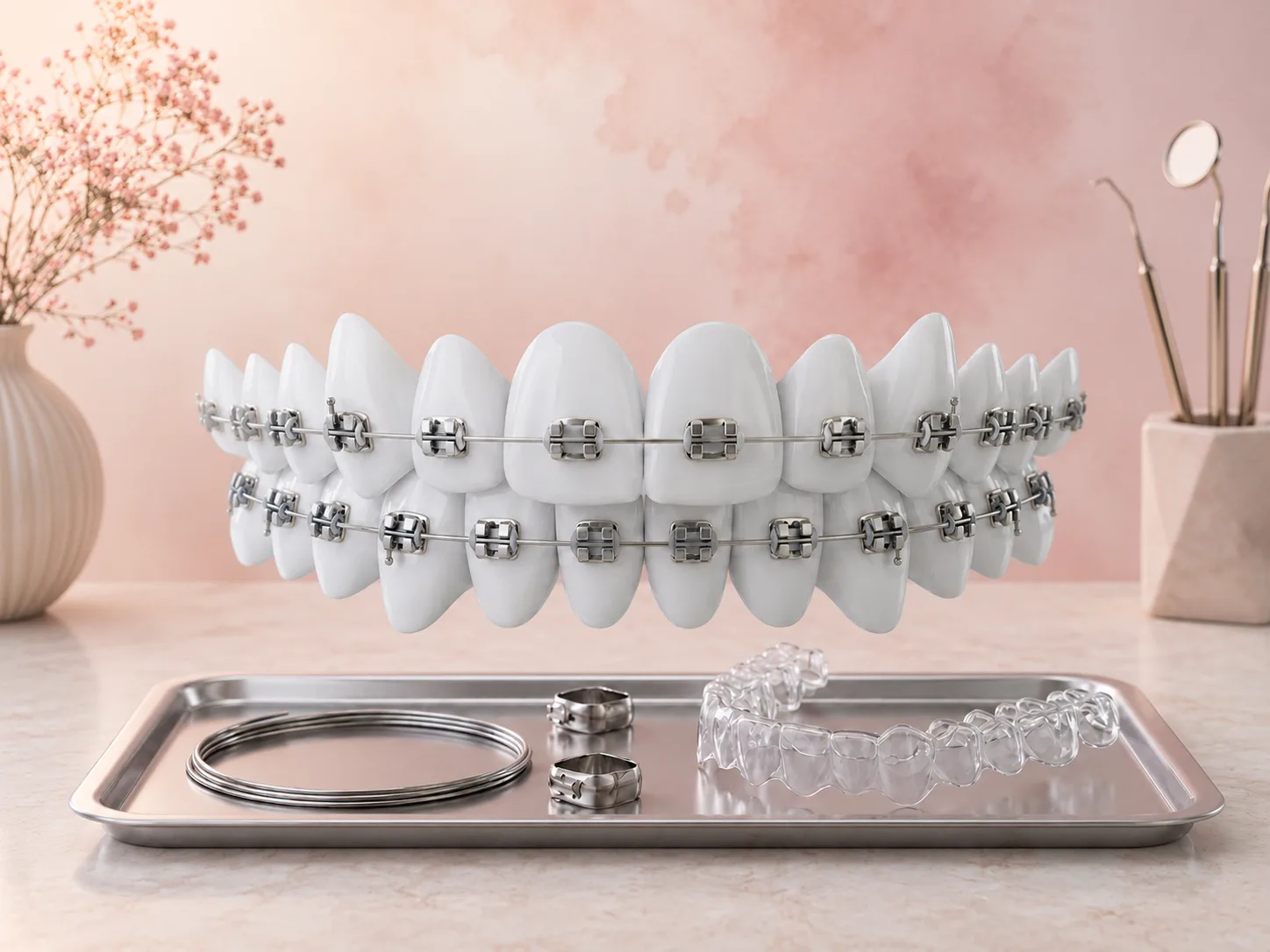
Orthodontic care guides teeth toward improved alignment and function using braces or clear aligners when clinically appropriate.
We listen to your concerns and review your dental and medical history.
Clinical examination and appropriate imaging inform your personalized options.
Care proceeds only after the plan, alternatives, and consent are discussed.
We review healing, maintenance, and any recommended continuing care.
Yes. As long as the bone and gum tissue surrounding the teeth are healthy, orthodontic treatment can also be applied to adults. There is no strict upper age limit for teeth-straightening treatments.
Both treatment methods have their own advantages. Clear aligners are less noticeable from the outside and can be removed while eating. Fixed braces, since they can't be removed by the patient, keep working throughout the day. The most suitable method is determined after examination and X-ray assessment.
When brackets are bonded to the tooth surface, no needle or anesthesia is needed, and no pain is felt during the procedure. In the first few days after the wires are fitted, mild pressure and aching can occur as the teeth begin to move.
You should avoid acidic drinks, sticky sweets, chewing gum, very hard nuts, and hard foods that could break the brackets. It's safer to cut foods like apples, carrots, and hard bread into small pieces rather than biting into them directly.
Treatment time can vary depending on the degree of crowding, jaw structure, and the method used. Orthodontic treatments generally take between six months and two and a half years. A more precise duration can be determined after examination and X-ray assessment.
In suitable cases, small gaps between teeth can be closed in a single session using composite bonding or composite laminate veneers. However, the cause and size of the gap should be assessed to determine the most suitable treatment option.
Pediatric
Preventive and restorative care adapted to growing smiles.
Explore treatment →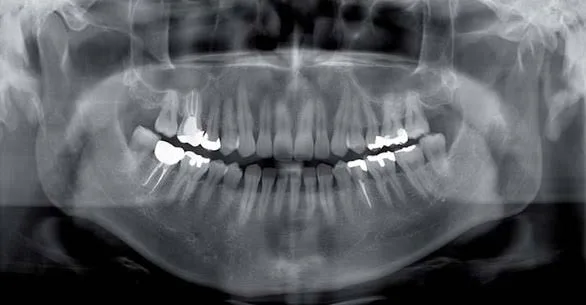
Diagnostics
Accurate diagnosis and treatment planning.
Explore treatment →