
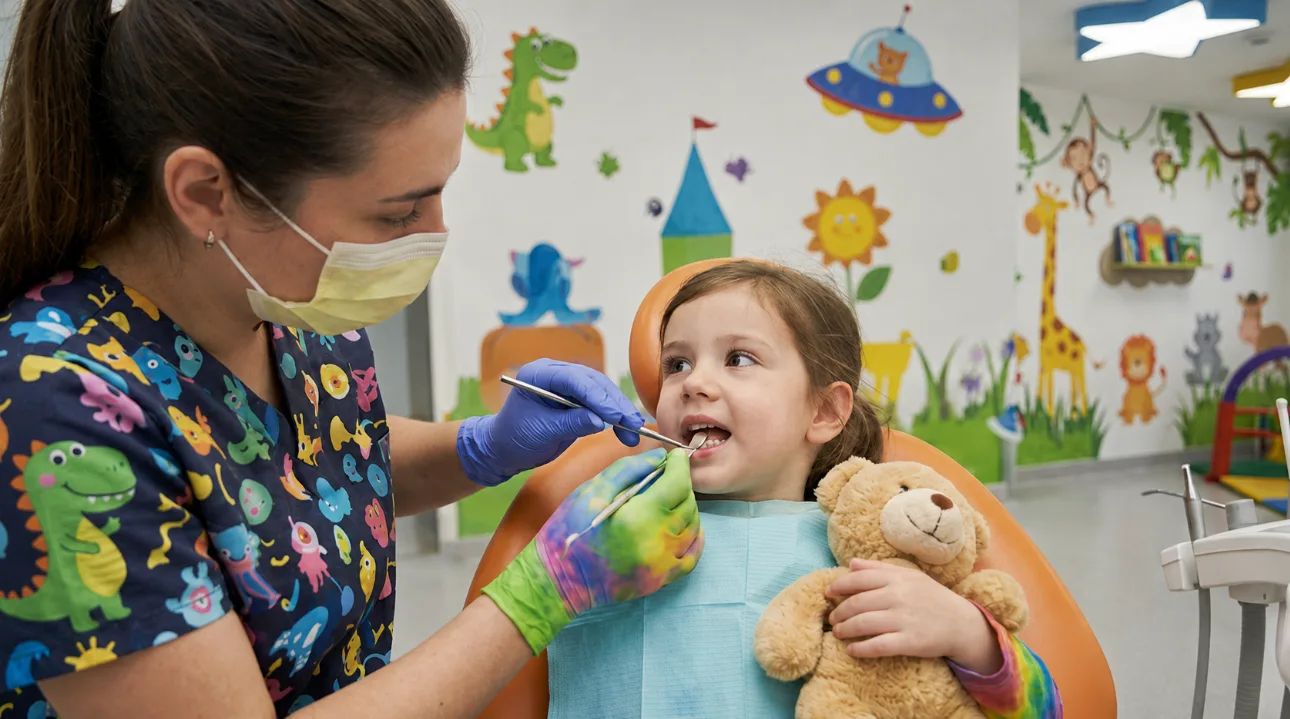
Pediatric
Pediatric Dentistry
Preventive and restorative care adapted to growing smiles.
Explore treatment →Treatments
Every treatment starts with an assessment and a clear conversation.
Pediatric
Preventive and restorative care adapted to growing smiles.
Explore treatment →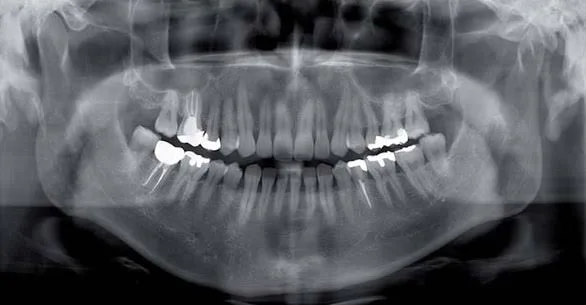
Diagnostics
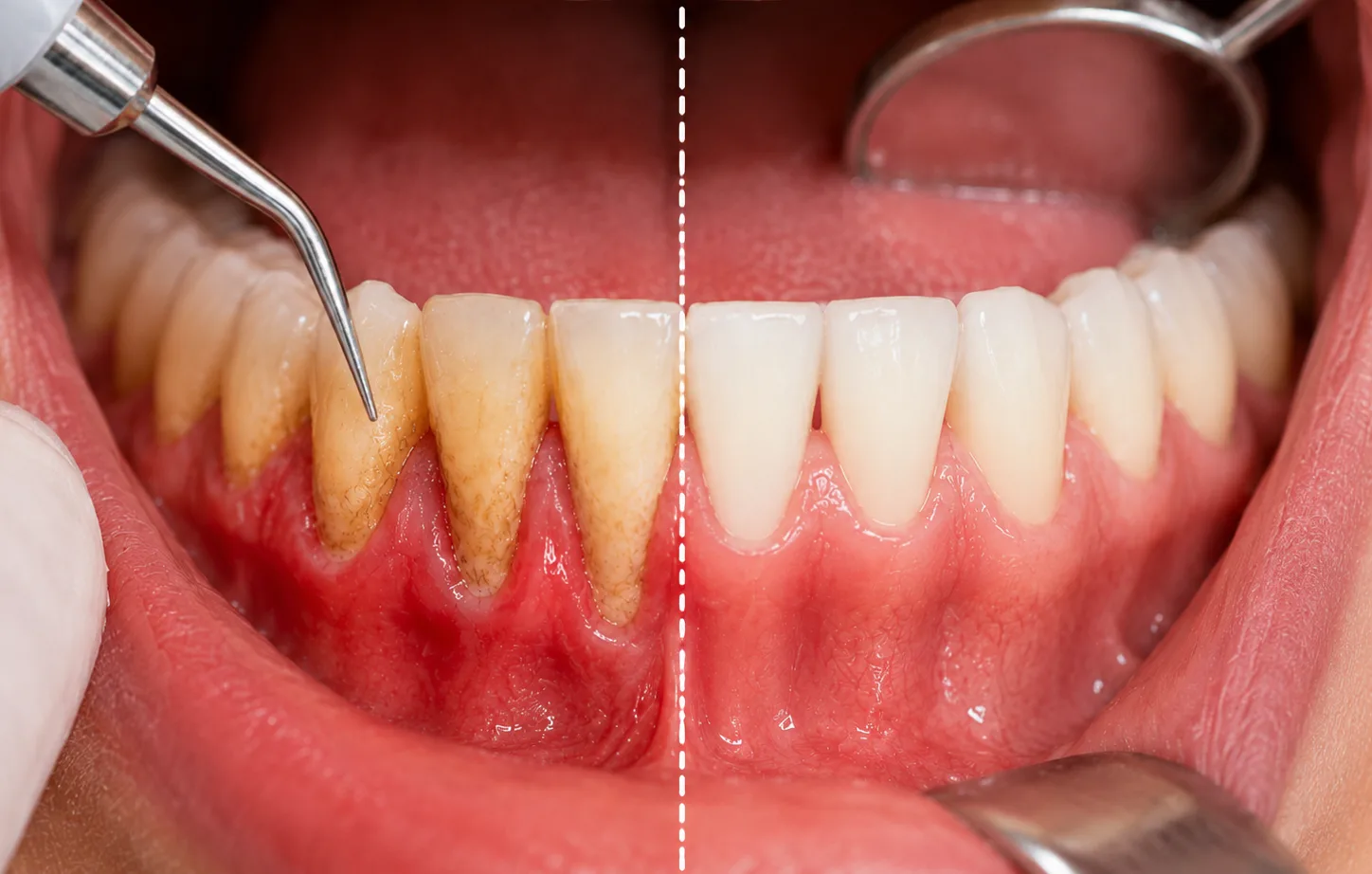
Accurate diagnosis and treatment planning.
Explore treatment →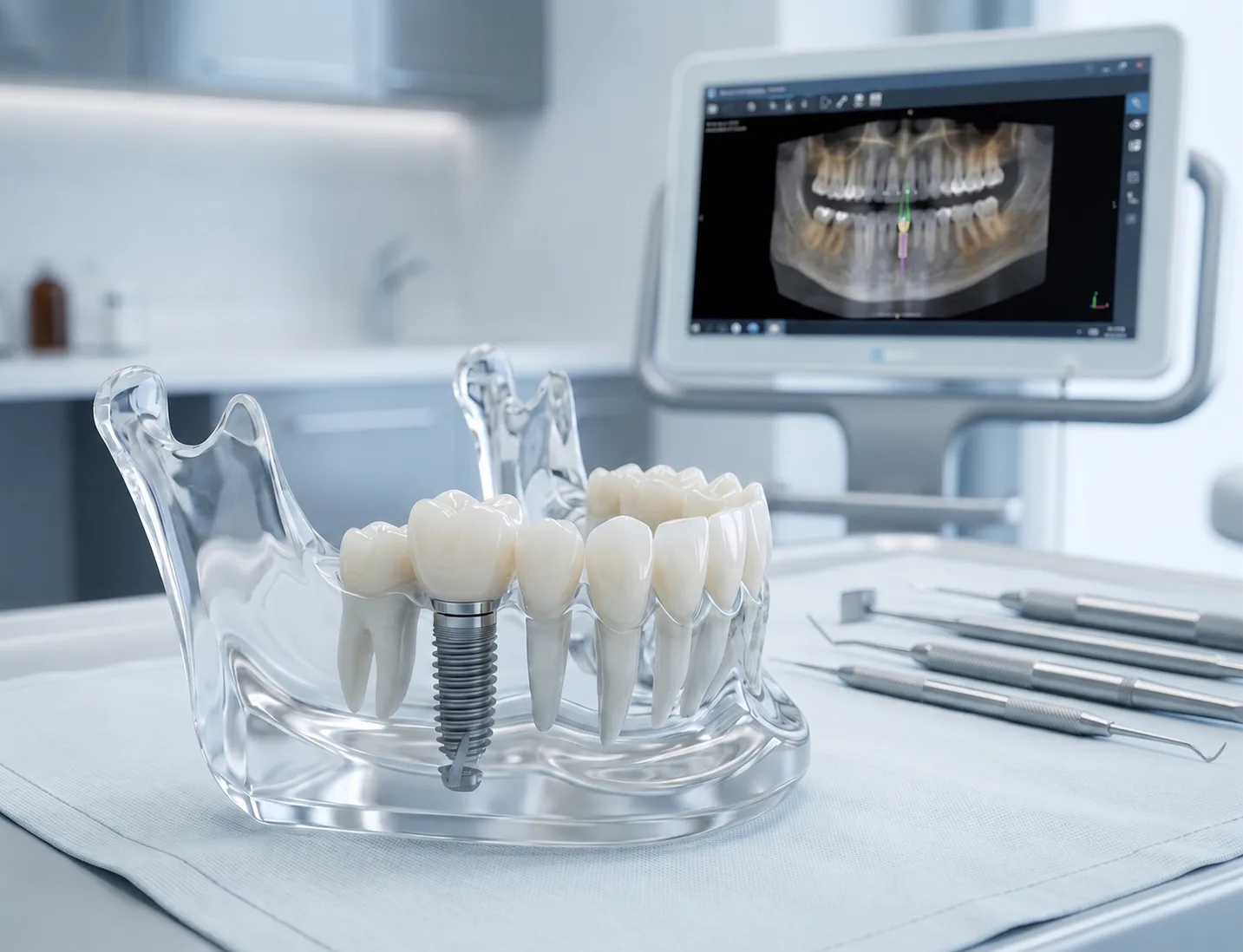
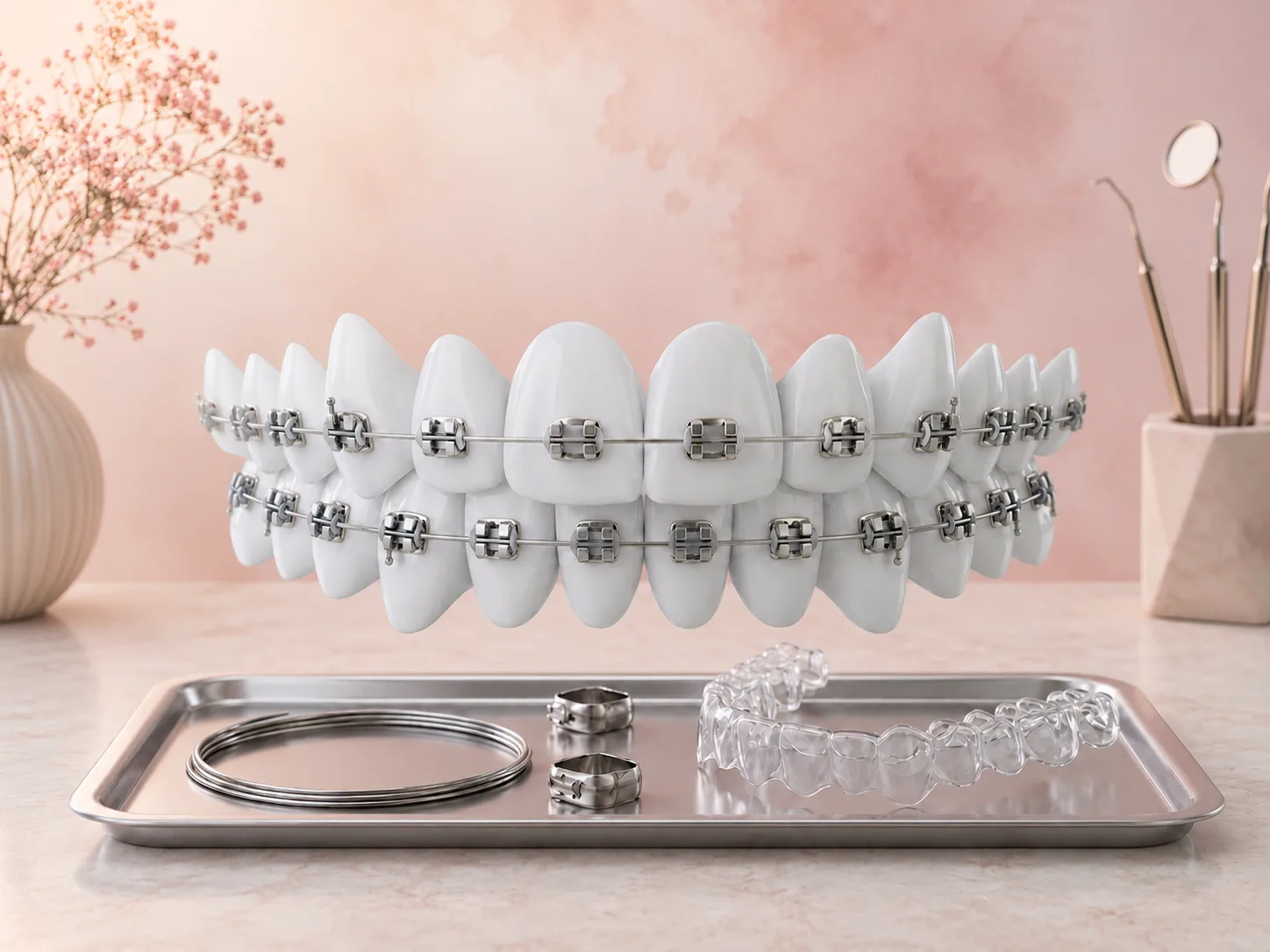
Prosthetics
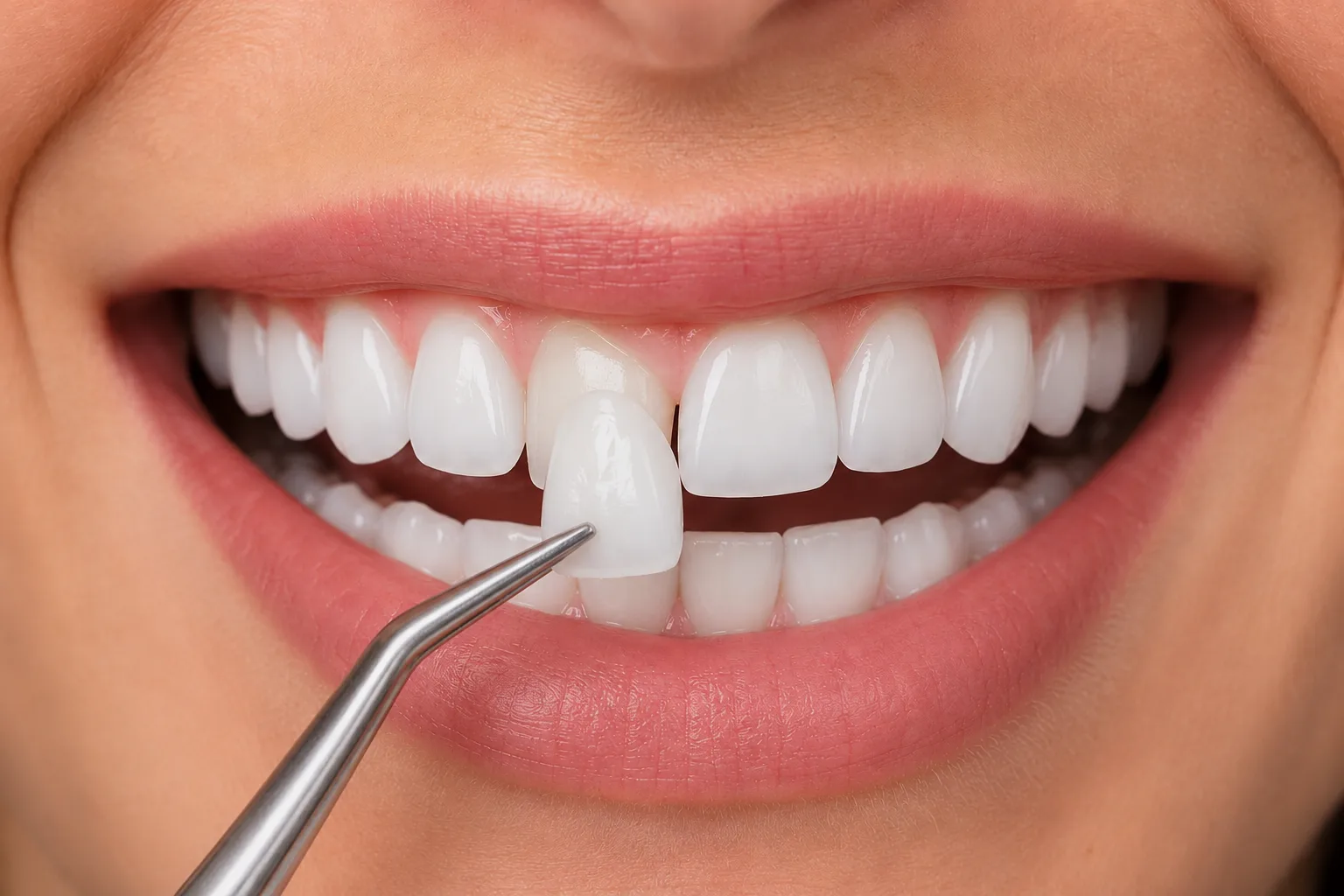
Functional, considered restoration of missing teeth.
Explore treatment →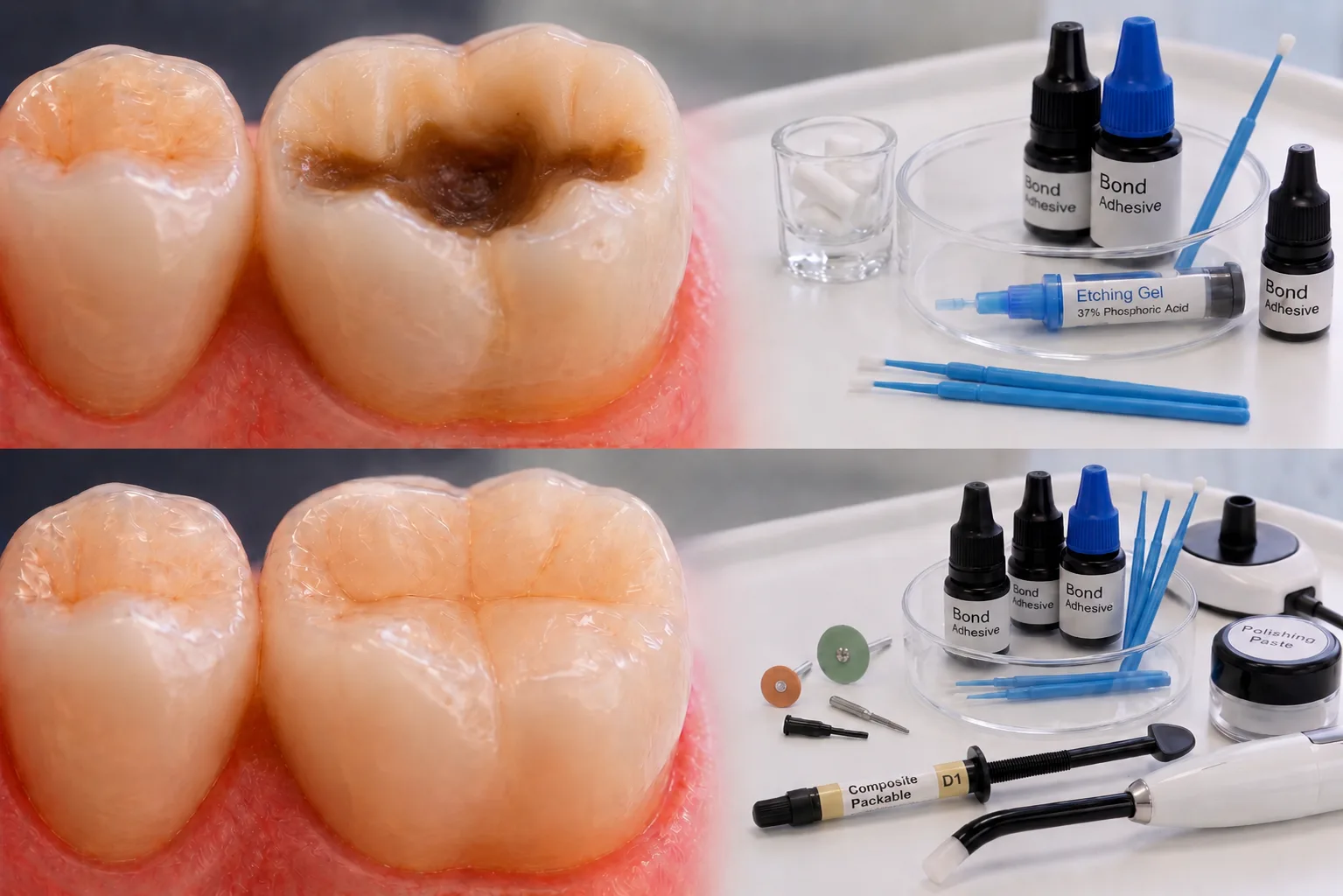
Restorative
Conservative care for damaged or decayed teeth.
Explore treatment →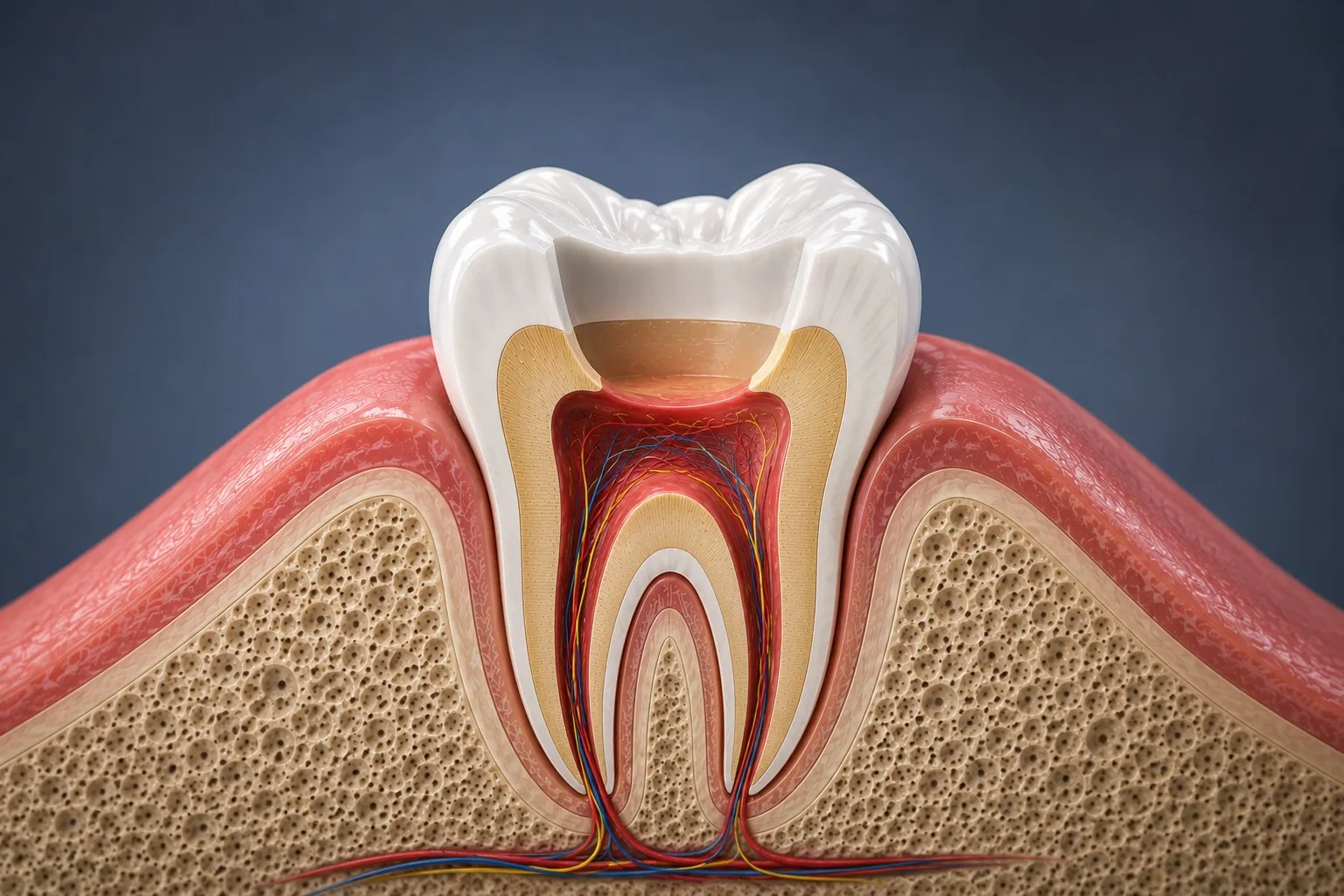
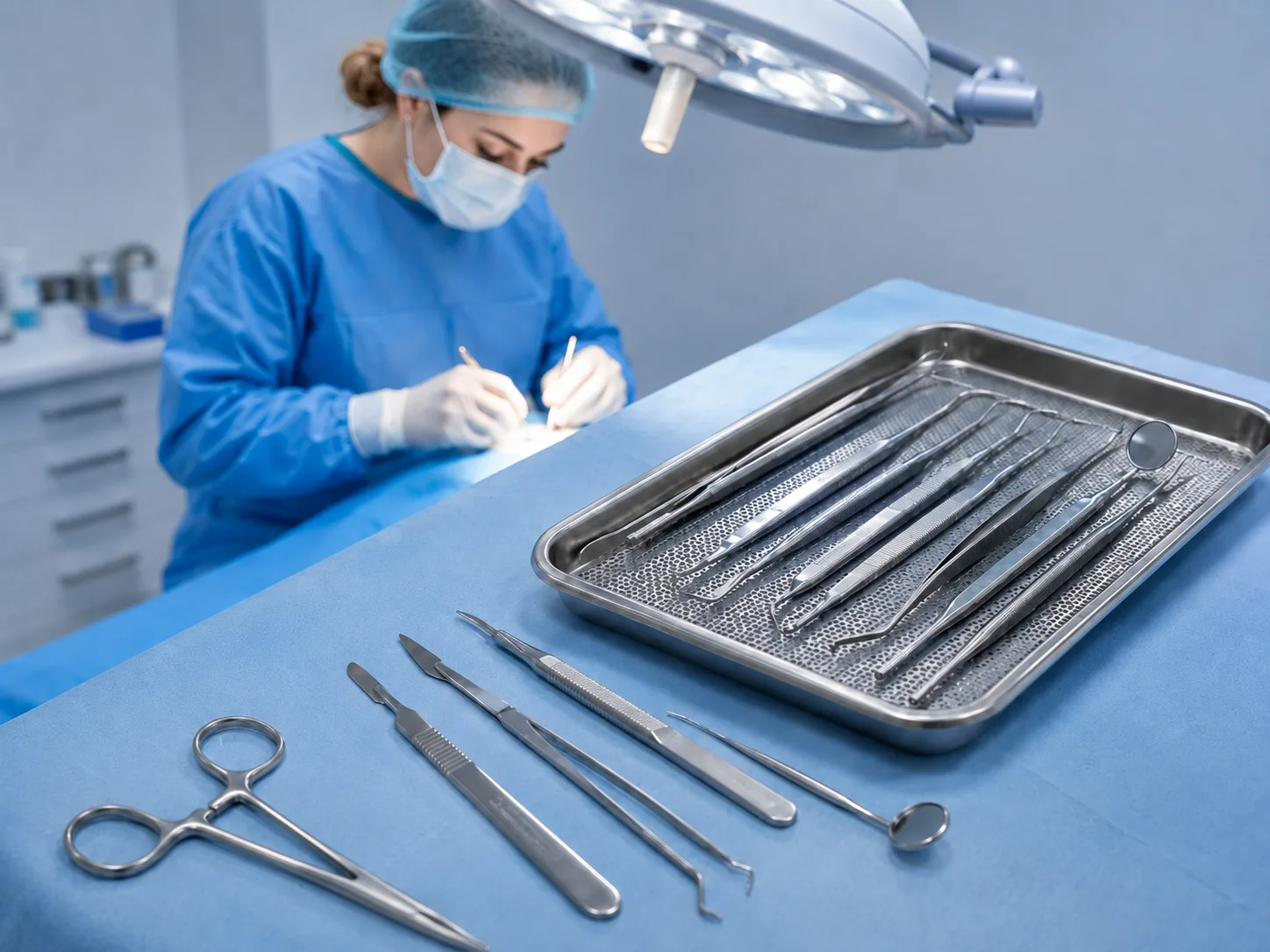
Surgery
Specialist assessment for surgical dental needs.
Explore treatment →You can call us directly by phone or apply in person at our clinic. Our team will contact you as soon as possible to arrange the most suitable appointment time for you.
We're sorry to hear that. We reserve a limited number of slots every day for emergencies. If you call us before heading over, we can make the necessary preparations to keep your waiting time to a minimum.
Absolutely. Our goal is to catch cavities and gum problems at an early stage - before any pain develops - and prevent them from progressing. Regular checkups every six months help you keep your teeth healthy for many years to come.
We know many of our patients share this fear. We start by listening to you and trying to understand the reasons behind it. In cases of very high anxiety, for suitable patients and when the necessary conditions are met, treatment can be carried out under sedation with an anesthesiologist present.
The first examination, including any necessary X-rays and a detailed intraoral assessment by our dentist, takes about 15-20 minutes on average.
It's recommended to brush your teeth at least twice a day. Brushing before bed at night is especially important, because saliva production decreases overnight, allowing bacteria in the mouth to multiply more easily.