Pediatric
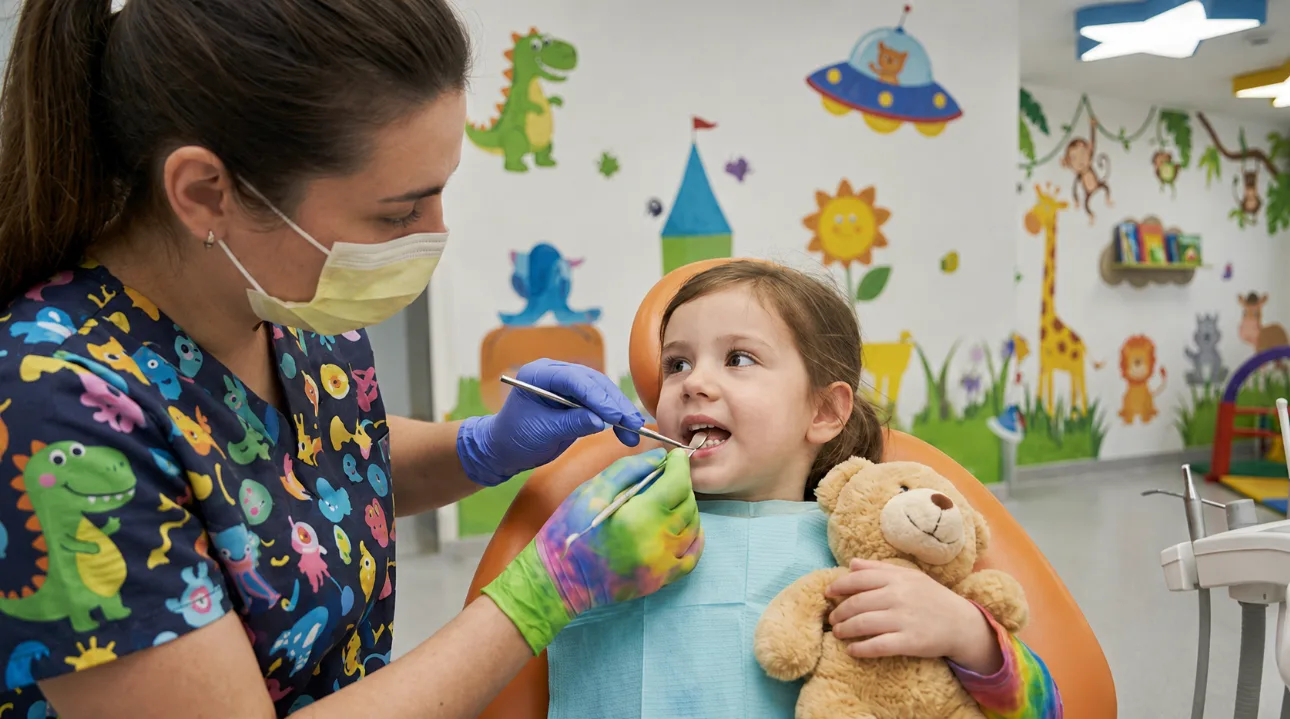
Pediatric Dentistry
Preventive and restorative care adapted to growing smiles.
Explore treatment →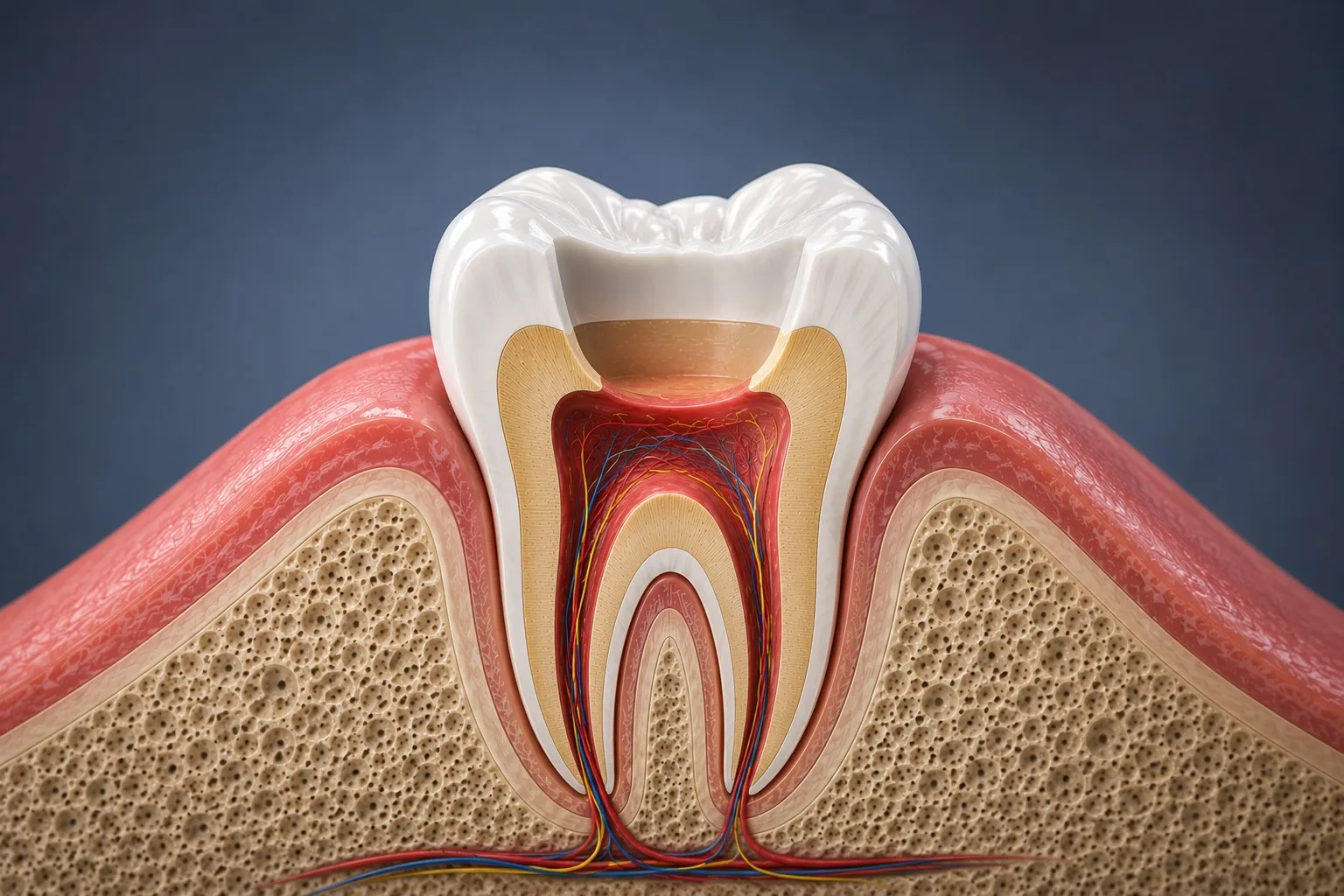
Root canal treatment may help retain a tooth when its internal tissue is inflamed or infected, subject to diagnosis and restorability.
We listen to your concerns and review your dental and medical history.
Clinical examination and appropriate imaging inform your personalized options.
Care proceeds only after the plan, alternatives, and consent are discussed.
We review healing, maintenance, and any recommended continuing care.
Root canal treatment is usually performed to relieve the patient of existing tooth pain. Before treatment, the tooth is numbed with local anesthesia, so you shouldn't feel pain during the procedure - you may only feel light touch and pressure.
Treatment time can vary depending on the number of roots and canals in the tooth, the state of the infection, and the tooth's anatomical structure. Root canal treatment can often be completed in a single session of about 45-60 minutes. In cases of advanced infection, treatment may be spread over two or more sessions.
Wherever possible, our priority is keeping a person's own natural tooth in the mouth. When a tooth is extracted, the resulting gap needs to be completed with methods like an implant, bridge, or denture. For this reason, saving a tooth that can be saved with root canal treatment is generally the more advantageous option.
Because root-canal-treated teeth lose their vitality, they can become dull or change color over time. In suitable cases, it may be possible to lighten the color again through special internal bleaching applied from inside the tooth.
Yes, a root-canal-treated tooth can decay again. Because the tooth's nerve has been removed, new decay won't always cause pain. That's why it's very important to keep brushing root-canal-treated teeth regularly and not skip your dental checkups.
Mild pain or sensitivity, especially while chewing, in the first few days after treatment can be considered normal. This period can usually be managed comfortably with the painkillers your dentist recommends. If pain is severe or keeps increasing, you should contact our clinic.
Pediatric
Preventive and restorative care adapted to growing smiles.
Explore treatment →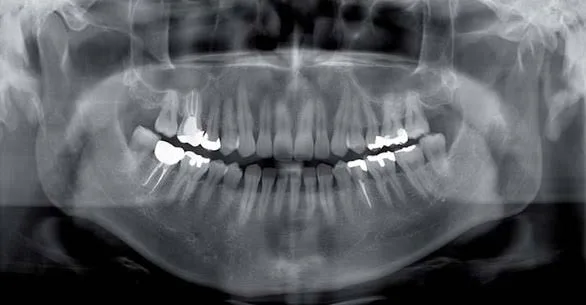
Diagnostics
Accurate diagnosis and treatment planning.
Explore treatment →