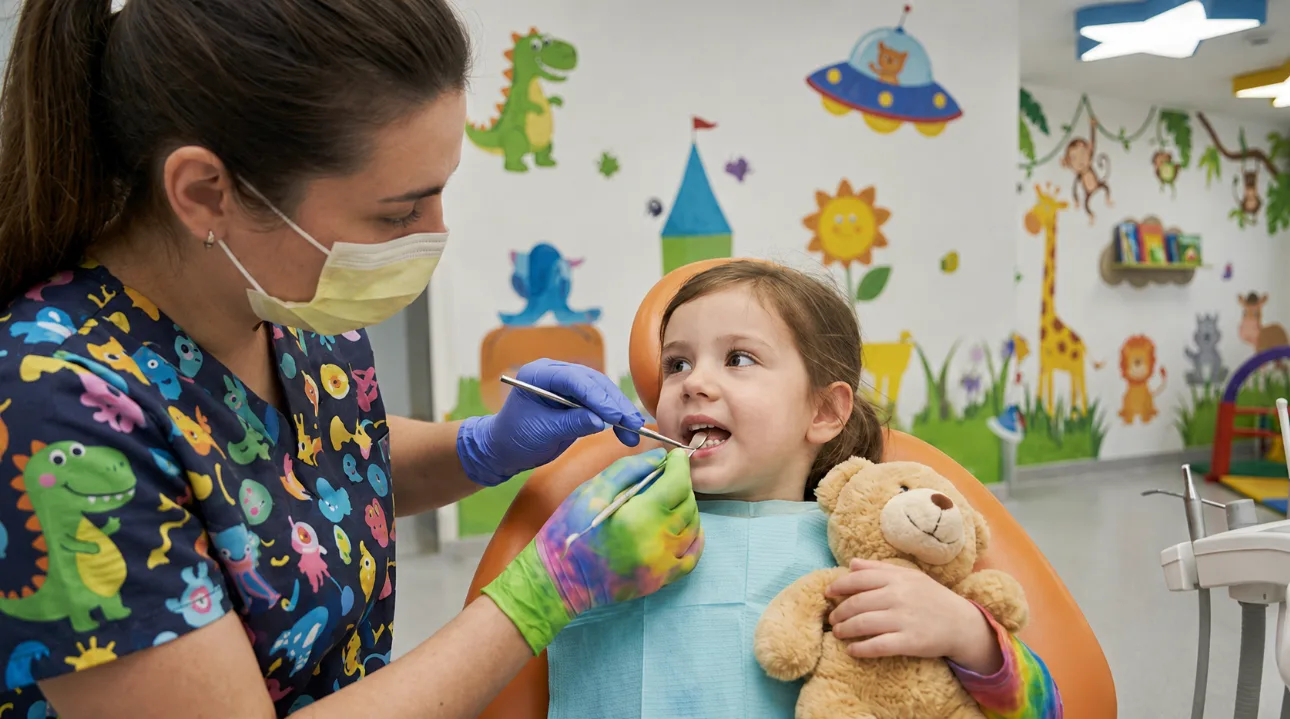
Pediatric
Pediatric Dentistry
Preventive and restorative care adapted to growing smiles.
Explore treatment →Surgery
Specialist assessment for surgical dental needs.
Book appointment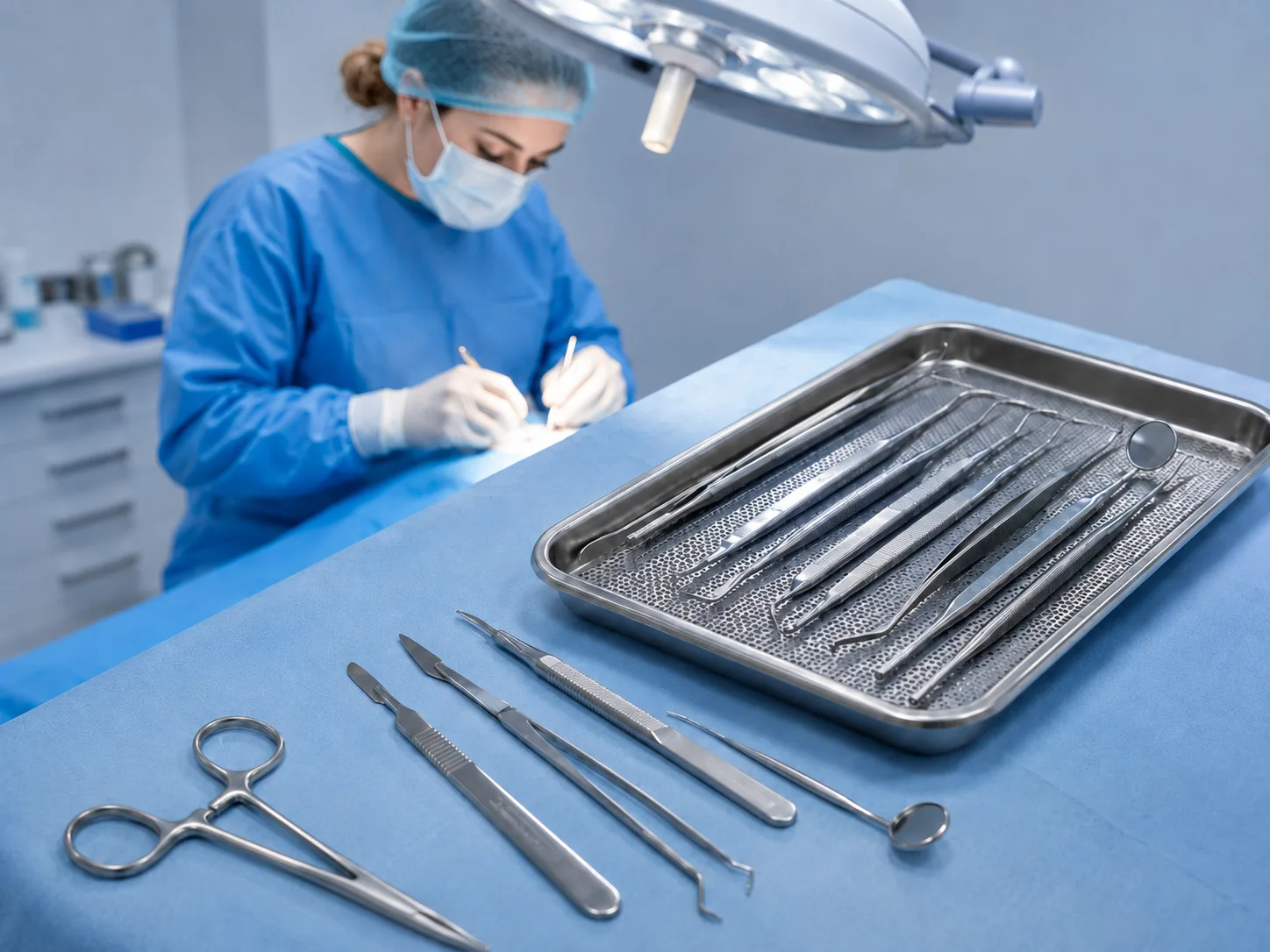
Oral surgery includes assessment and management of impacted teeth, selected jaw conditions, and surgical implant procedures.
We listen to your concerns and review your dental and medical history.
Clinical examination and appropriate imaging inform your personalized options.
Care proceeds only after the plan, alternatives, and consent are discussed.
We review healing, maintenance, and any recommended continuing care.
Before the extraction, the area in question is completely numbed with local anesthesia, so that you shouldn't feel pain during the procedure. You may only feel slight pressure or movement.
No. If your wisdom tooth has enough space in the jaw, has erupted properly, isn't damaging the surrounding tissue, and can be kept clean, it may not need to be extracted. However, if it erupts crookedly, damages a neighboring tooth, or causes decay or infection, extraction may be recommended.
Gum tissue can remain covering a partially erupted wisdom tooth. Food debris and bacteria can build up underneath this tissue, causing inflammation, a bad taste, and bad breath. After an examination, cleaning the area, medication, or, if necessary, extraction can be planned.
It's recommended not to smoke for the first 24-48 hours. Smoking can disrupt the blood clot that forms in the extraction site and lead to a condition known as "dry socket," which can cause severe pain.
Taking blood thinners is not an absolute barrier to tooth extraction, but the type and dose of medication and your general health need to be assessed. You should not stop your medication on your own decision. When necessary, we consult with the physician monitoring your treatment to create a safe treatment plan.
For the first 24 hours, you shouldn't touch the extraction site with a toothbrush, rinse forcefully, or spit. From the next day, you can brush your other teeth normally, and clean the extraction area carefully, following your dentist's recommendations.
Pediatric
Preventive and restorative care adapted to growing smiles.
Explore treatment →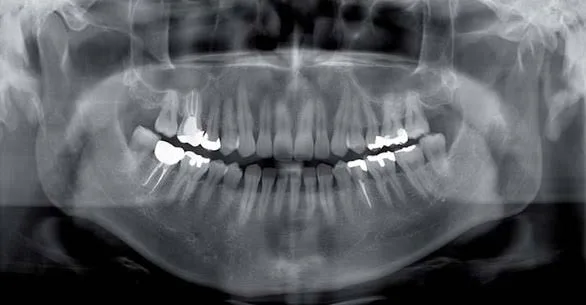
Diagnostics
Accurate diagnosis and treatment planning.
Explore treatment →